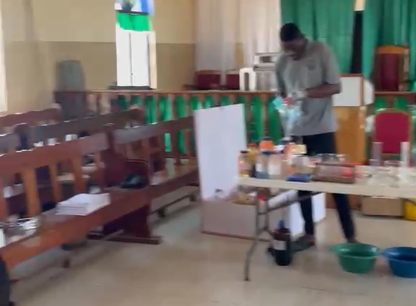

In the heart of Ghana's Volta Region, specifically within the North Tongu district, a quiet revolution is unfolding in the realm of education. Aveyime, a key community in this district, has become a focal point for dedicated educational innovators who are not just dreaming of better learning environments but are actively building them, often hand-in-hand with the Ghana Education Service (GES).
The Spark of Innovation in Aveyime
The journey towards enhancing educational outcomes in Aveyime is driven by a deep understanding of local needs and a commitment to sustainable change. These innovators recognize that a one-size-fits-all approach rarely works, especially in diverse rural settings. Instead, they are crafting solutions that resonate with the community's unique cultural and socio-economic fabric, ensuring relevance and engagement.
Collaborative Spirit with GES
A cornerstone of these initiatives is the seamless collaboration with the Ghana Education Service. Far from working in isolation, these educational pioneers are integrating their ideas and projects within the existing framework provided by GES. This partnership ensures that new methodologies, resources, and training programs are not only innovative but also align with national educational standards and can be scaled effectively. From introducing digital literacy tools to developing localized teaching materials, the synergy between innovators and GES is proving instrumental in overcoming traditional barriers to quality education.
Addressing Local Educational Challenges
The North Tongu district, like many areas, faces specific challenges such as access to quality learning materials, teacher training gaps, and ensuring student retention. The innovators in Aveyime are directly tackling these issues. For instance, some projects focus on creating accessible learning hubs, others on providing continuous professional development for teachers using modern pedagogical techniques, and still others on community outreach programs designed to encourage school attendance and parental involvement. Each effort is a step towards building a more resilient and responsive educational ecosystem.
Impact and Future Prospects
The early results of these concerted efforts are promising. Students are showing increased enthusiasm for learning, teachers feel more empowered with new skills and resources, and communities are becoming more invested in the educational journey of their children. This model of localized innovation, supported by the national educational body, sets a powerful precedent for other districts facing similar challenges.
Empowering Students and Teachers
Through these initiatives, students are not just recipients of knowledge but active participants in their learning, often through interactive and hands-on approaches. Teachers, too, are transforming from mere instructors to facilitators of discovery, equipped with the tools and confidence to inspire the next generation. This holistic approach ensures that the impact extends beyond academic performance, fostering critical thinking, creativity, and problem-solving skills essential for future success.
The dedication of these educational innovators in Aveyime, working in tandem with the GES, is a testament to the power of community-driven progress. It underscores a belief that by empowering local talent and integrating their vision with established structures, profound and lasting change can be achieved, paving the way for a brighter educational future for every child in the North Tongu district.